
What makes a shirt worn by Argentine soccer legend Diego Maradona in the 1986 World Cup worth £7.1m? Why do people visit the graves of their loved ones each year? Or go on pilgrimages to the Holy Land? Because it’s human nature to want to be close to greatness and near to the ones we love.
As Catholics, we feel drawn to the saints, who serve as our spiritual role models. Besides reading their stories and praying for their intercession, another way to grow closer to these holy men and women is to spend time in the presence of their relics.
A relic is something that’s left behind. It comes from the Latin word “reliquiae”, which means “remains”. A sacred relic is an item or object that’s directly associated with a saint or a holy person, such as a part of their body or an item that they used.
The veneration of relics has a long history. There are several instances in the Bible where individuals are healed by touching such objects. In 2 Kings 13:20-21, a dead man comes back to life after his corpse comes into contact with the bones of the prophet Elisha. In Matthew 9:20-22, the hemorrhaging woman is cured by simply touching the hem of Jesus’ cloak. In Acts of the Apostles 19:11-12, people were healed when handkerchiefs that had come into contact with the apostle Paul were laid upon them.
In the early days of the Church, believers would gather around the tombs of holy people who were persecuted and martyred for their faith. The early Christians would even set up altars on the tombs of saints in order to celebrate Mass. These tombs eventually became the subject of pilgrimages, which were long and arduous journeys that most people simply couldn’t take.
In time, the physical remains of the saints were moved to other sites so that they could be accessible to more people. These relics were a physical means by which people could feel close to a holy person, through which they could experience the presence of God.
Sacred relics can be broken down into three classes.
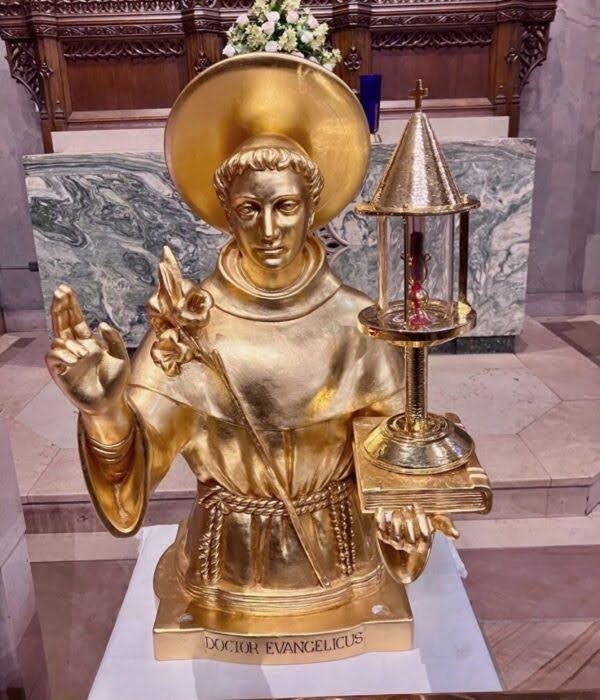
First-class relics are the body or fragments of the body of a saint, such as pieces of bone or flesh. An example of a first-class relic would be the skull of St. Thomas Aquinas or St. Anthony of Padua’s floating rib.
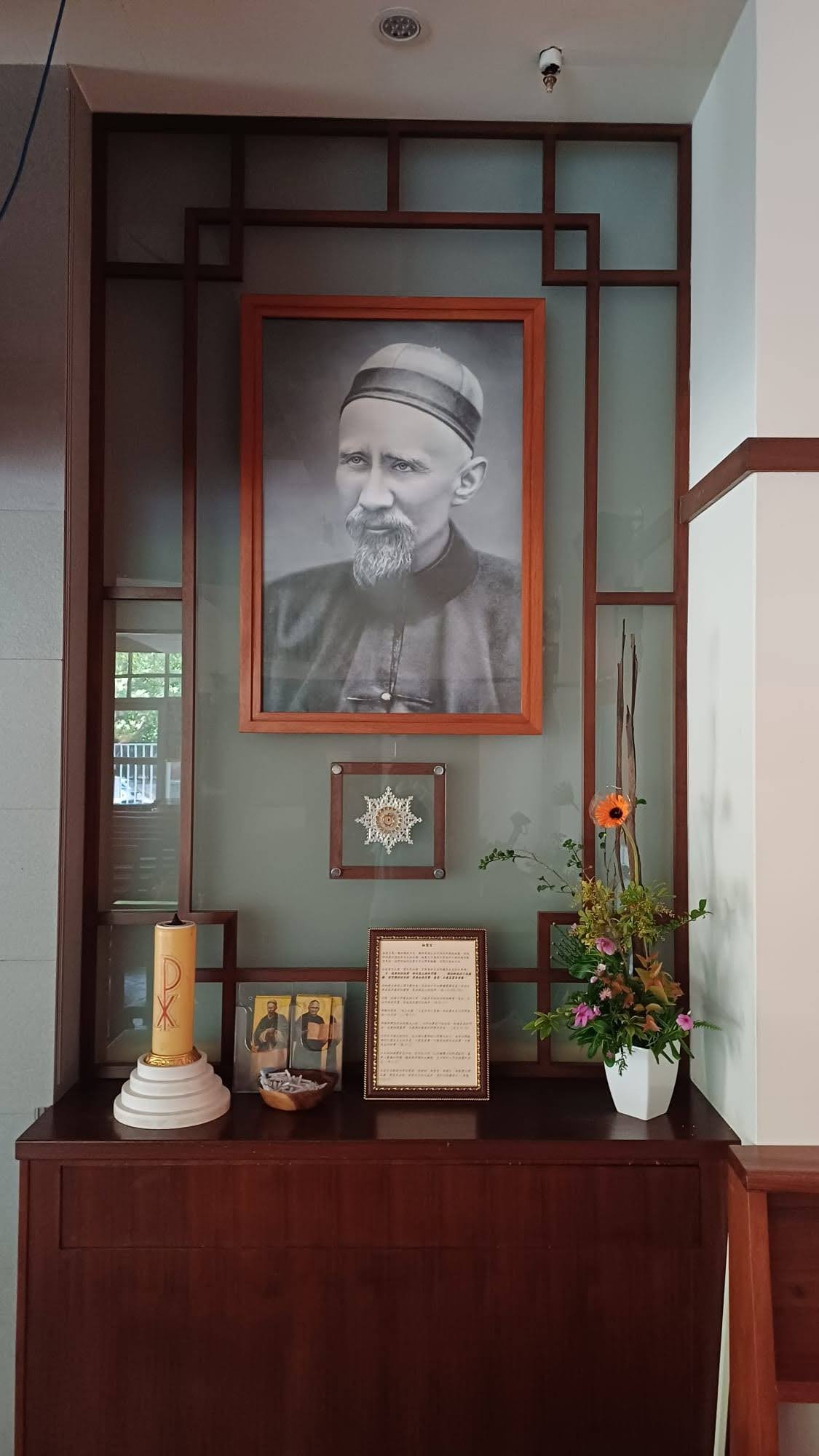
A second-class relic is an item that a saint used, such as a piece of clothing, a prayer book, or fragments of these items. Our church hosts a second-class relic of St. Joseph Freinademetz, a small fragment of his clothing, mounted in a sealed case below his portrait.
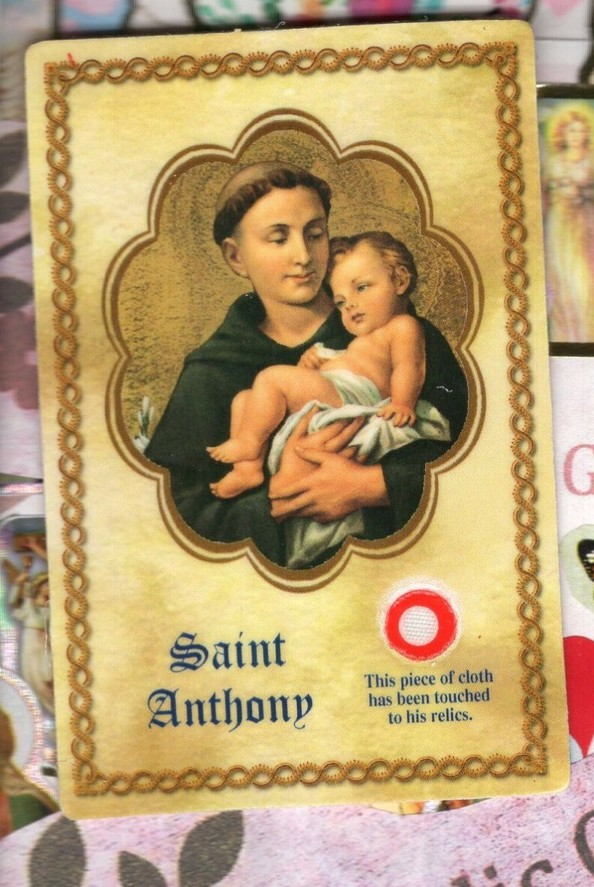
A third-class relic is an object that has touched a first-class relic. For example, a prayer card that touched the rib of St. Anthony is considered a third-class relic and a spiritual treasure. These relics are the most accessible to laypersons, which we can bring home as spiritual keepsakes.
Relics remind us that saints were real people with flesh and blood. Each saint provides us with specific moments of cooperation in God’s work that we can reflect on and apply to our own lives. Relics have no power on their own, but they help remind us of our own calling to become holy by imitating Christ in our own time and place.